At a glance
A preventive heart-health assessment starts with your history and risk factors, including blood pressure, smoking and relevant laboratory results. A scan is not automatically needed. Symptoms such as chest pain require clinical assessment rather than simply adding tests to a routine checkup.
A scan is only one possible tool
A cardiovascular assessment should begin with the reason for the visit. Someone without symptoms seeking preventive advice has different needs from someone with chest pain, breathlessness or a known heart condition. Do not use a routine checkup appointment as a substitute for urgent medical assessment when symptoms could be serious.
For a preventive visit, organise your previous blood pressure readings, relevant laboratory reports, smoking history, medicines and family history. Ask the clinician which information is missing before selecting imaging. A test should answer a defined question rather than simply expand the package.
What a blood pressure reading means
Blood pressure measurement is an established part of adult preventive care. The US Preventive Services Task Force recommends confirming an elevated office reading with measurements outside the clinic before starting treatment for newly diagnosed hypertension. The clinician can advise whether home readings or ambulatory monitoring are appropriate in your case.
Bring any existing home record, including when and how you measured. Do not change medication because of one checkup result without discussing it with your treating clinician. If you already have hypertension, make clear that the visit is for monitoring rather than first-time screening.
Questions before adding investigations
If a package offers an ECG, ultrasound, CT or exercise test, ask what finding the doctor is looking for and what would happen after an abnormal or uncertain result. The relevant question is whether the result would change your care. A normal test does not replace a complete assessment of symptoms or long-term prevention.
Request an explanation of any preparation, contrast use, radiation exposure or exercise involved. Give the clinic details of pregnancy possibility, previous contrast reactions, kidney problems and implanted devices where relevant. The clinical team should decide how these affect the proposed test.
- Why is this test appropriate for my risk profile?
- What are the alternatives, including no additional test now?
- Who will interpret the result and arrange any follow-up?
Make prevention usable at home
Ask for a written summary of your assessed risk factors and the next decisions. Separate changes you can discuss with your usual clinician from findings that require a time-sensitive assessment. Ensure the report identifies the tests used, dates, units and relevant clinical interpretation.
When choosing a partner center, look for the documented service that matches your question. A center offering cardiac imaging is not automatically the appropriate choice for every preventive visit; continuity with the clinician who manages your health also matters.
Common questions
Does everyone need a heart scan at a checkup?
No single scan is appropriate for everyone. Ask what question a proposed scan would answer and whether its result would change your care.
Does one high blood pressure reading mean I have hypertension?
One clinic reading may need confirmation. For adults without known hypertension, the USPSTF recommends measurements outside the clinic to confirm the diagnosis before starting treatment. Ask your clinician how to obtain suitable readings.
Partner centers to explore
These centers list related services. Confirm the exact examination and appointment with the center.
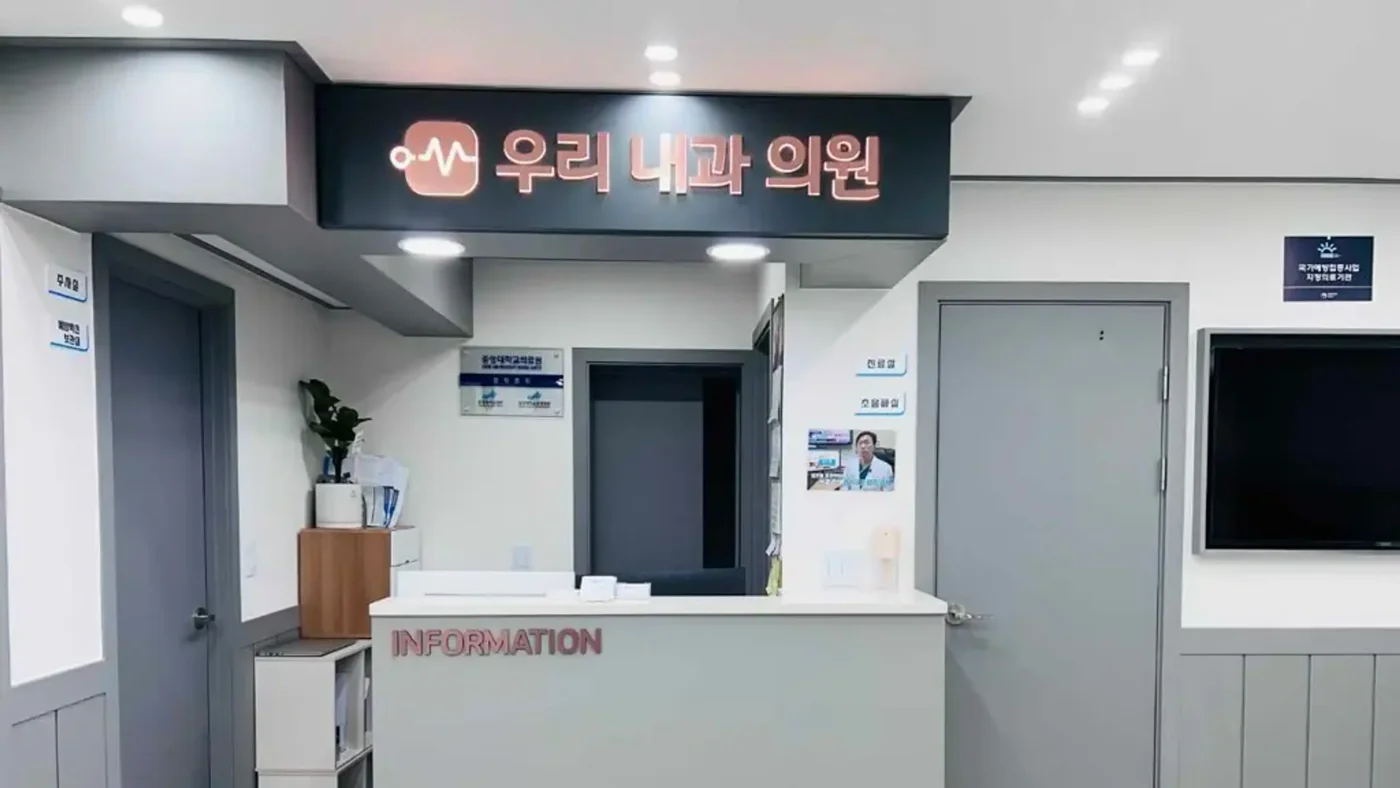 Seoul · Dongjak
Sangdo Woori Internal Medicine
Internal medicine consultations, blood and urine tests, thyroid assessment and chronic disease monitoring.
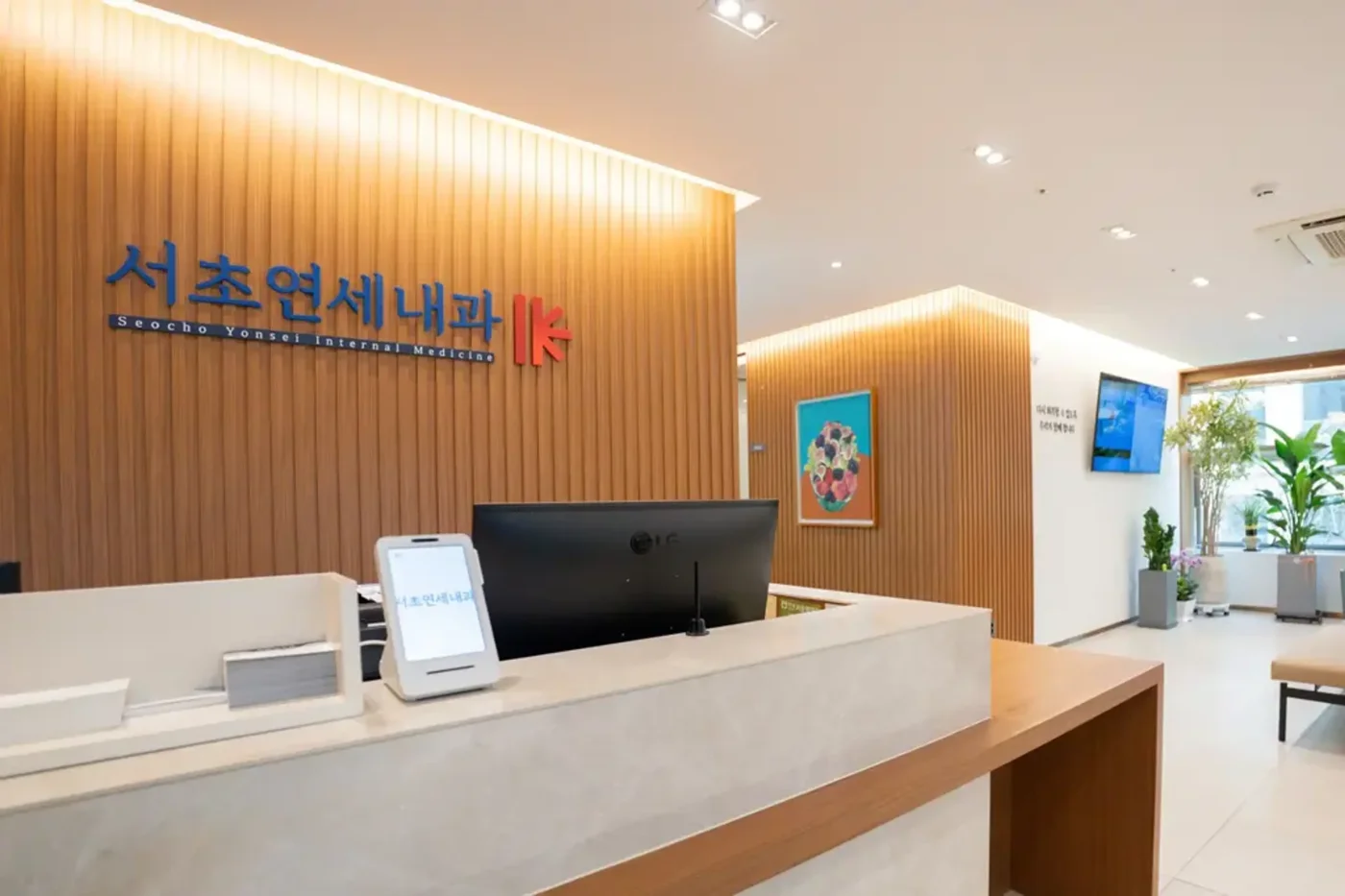 Seoul · Seocho
Yonsei Clinic Seoul
Preventive care and chronic disease review with an internal medicine physician trained in nephrology.
 Seoul · Gangnam
Gangnam Heartscan Healthcare Center
A dedicated screening center in Daechi-dong with general, tailored and cardiovascular assessment pathways.
 Busan · Nam-gu
Yonsei Mirae IFC Medical Center
A Busan screening center with general, detailed and life-stage programs and a multidisciplinary medical team.
Explore the medical teams




Sources & further reading
Explore the partner centers
Use the directory to review relevant services and medical teams, then confirm the details directly with the provider.
Find a center