At a glance
Upper gastrointestinal endoscopy examines the upper digestive tract; colonoscopy examines the colon. Before booking in Korea, confirm which procedure is proposed, why it is appropriate, the preparation instructions and how sedation, tissue results and follow-up fit your visit.
Know which examination is proposed
The word endoscopy can describe different examinations. Upper gastrointestinal endoscopy looks at the upper digestive tract; colonoscopy examines the colon. Ask the clinic to specify which examination it recommends and why it is relevant to your history or screening needs. Do not assume both are included when a package says ‘digestive screening’.
If your enquiry concerns symptoms, explain them before booking. The appointment may need a diagnostic assessment rather than a routine screening package. Previous endoscopy findings and any biopsy reports can help the doctor avoid unnecessary duplication or plan an appropriate follow-up.
Preparation must come from your treating team
For upper endoscopy, preparation includes discussing medicines and medical history, fasting as instructed, and arranging transport if sedation is used. Colonoscopy also requires bowel preparation. The exact schedule should come from the clinic carrying out the procedure.
Do not stop prescription medicines on your own. Ask for written instructions that identify the medicine, dose, timing, food and fluid restrictions, and whom to call if you cannot complete the preparation. Resolve any conflict between generic website advice and the clinic's personalised instructions before the appointment.
- Will I need a preparation prescription before arriving in Korea?
- Who reviews my medicines and previous sedation problems?
- What should I do if my travel is delayed or I cannot finish the preparation?
Separate the procedure from the full visit
Allow time for admission, consent, the procedure, recovery and discharge. If sedation is planned, confirm the escort requirement and safe transport arrangements; being awake is not the same as being ready to drive. Build the day around the medical appointment rather than a fixed sightseeing schedule.
Risks can include bleeding, perforation and reactions to sedation. Ask how the center handles an unexpected problem and whether an additional procedure would require separate consent. Request a written explanation of potential charges for biopsy, polyp removal and pathology rather than assuming they are included.
Plan beyond the examination day
A visual finding and a tissue result are different parts of the report. Samples may take longer to analyse. Ask when you will receive each result and whether a discussion is available after you return home.
Tell the clinician your departure date before agreeing to a procedure. Ask for advice specific to any biopsy or treatment actually performed; there is no single travel timetable that fits every endoscopy. Follow the discharge instructions and seek medical care promptly for warning symptoms identified by your treating team.
Common questions
Is gastroscopy the same as colonoscopy?
No. Gastroscopy is upper gastrointestinal endoscopy; colonoscopy examines the colon. A package mentioning endoscopy does not necessarily include both.
Can I take a taxi home alone after sedation?
Do not assume a taxi alone meets the discharge requirement. Ask the treating center whether a responsible adult must collect you and stay with you after the procedure, and arrange that support before the appointment.
Partner centers to explore
These centers list related services. Confirm the exact examination and appointment with the center.
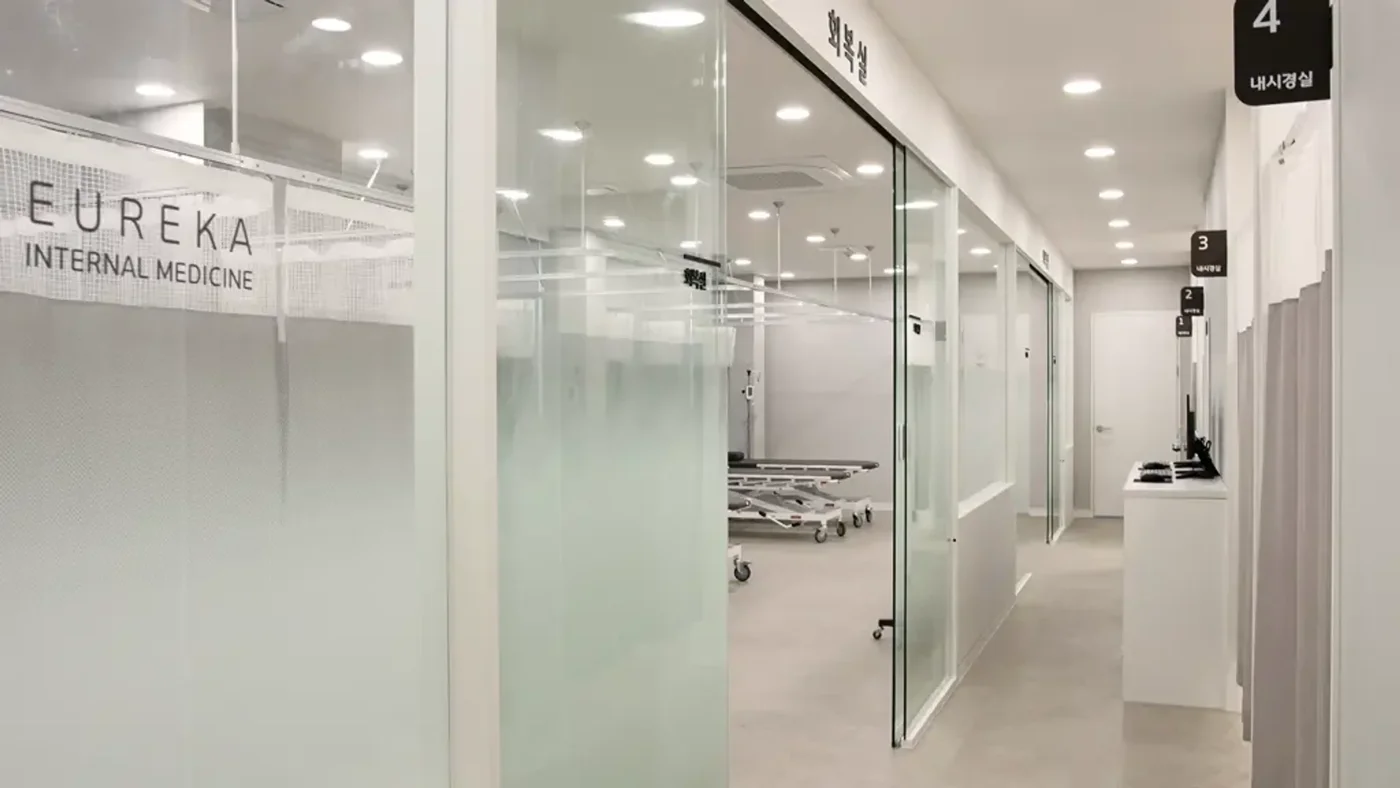 Suwon · Yeongtong
Eureka Internal Medicine & Health Checkup Centre
Internal medicine, endoscopy and imaging in Suwon, with four named internal medicine specialists.
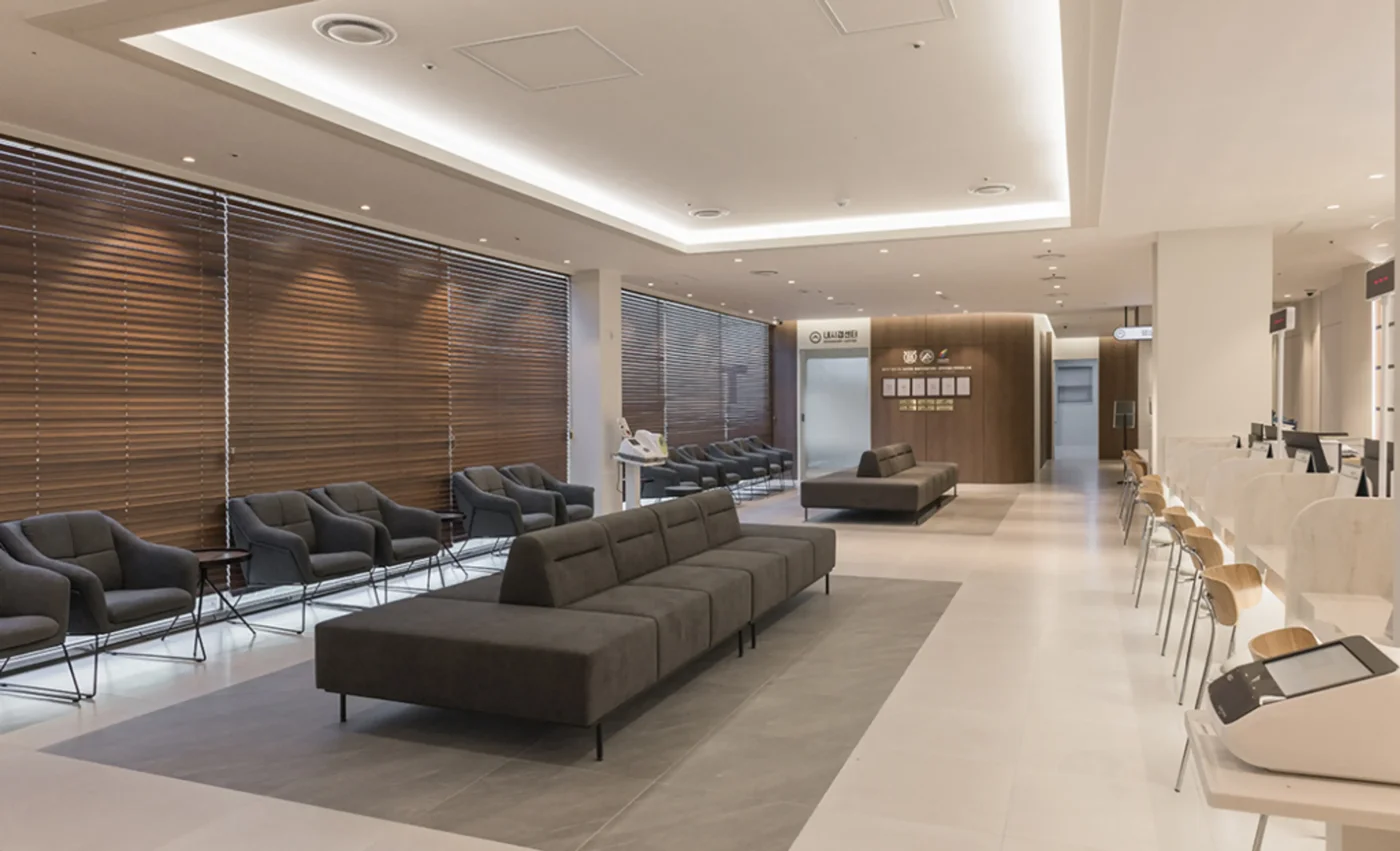 Seoul · Gwangjin
Always For You Medical Center
Individual and corporate health checkups alongside internal medicine, endoscopy and surgical services.
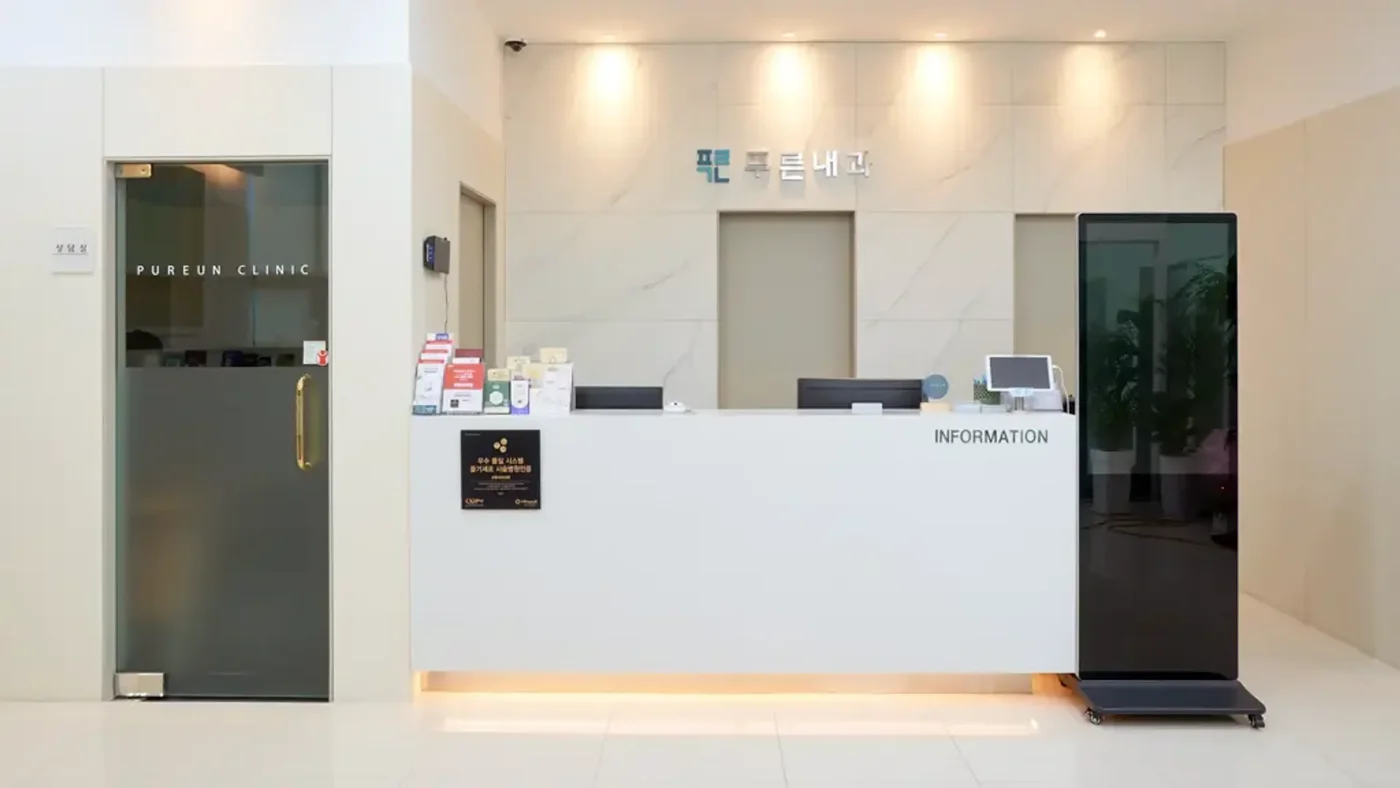 Seoul · Seocho
Pureun Clinic
A physician-led internal medicine clinic offering health checks and digestive and respiratory care.
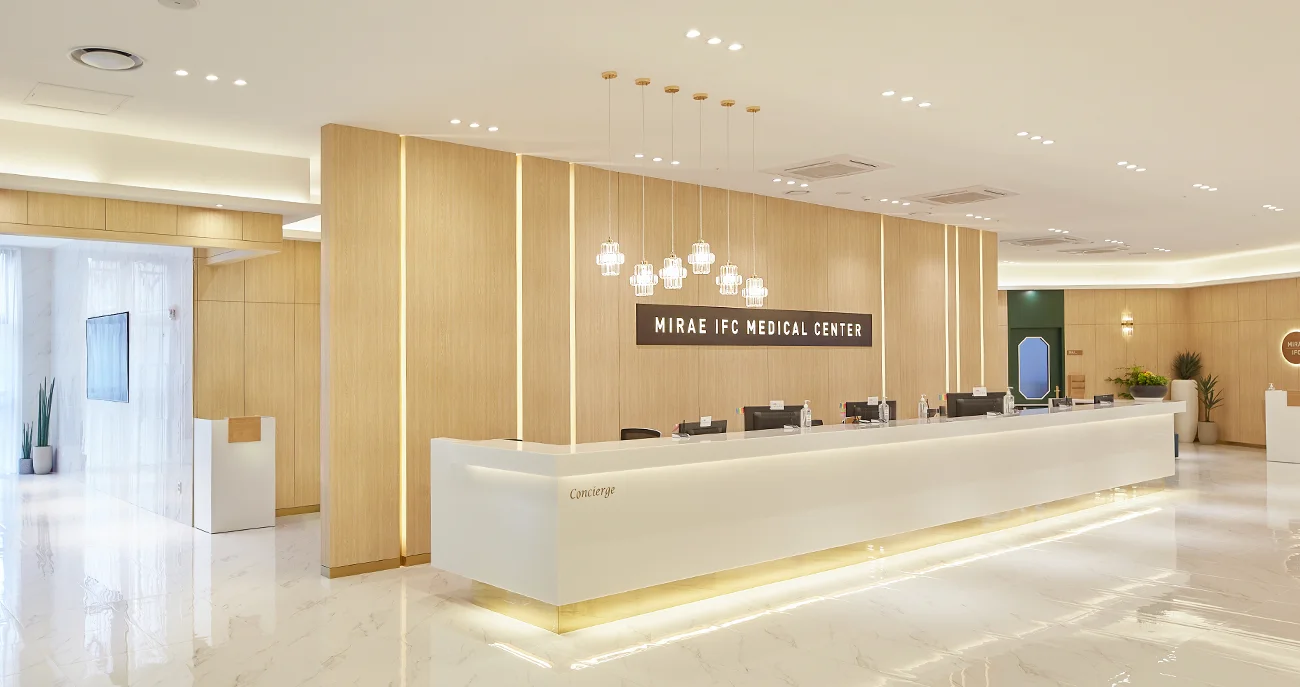 Busan · Nam-gu
Yonsei Mirae IFC Medical Center
A Busan screening center with general, detailed and life-stage programs and a multidisciplinary medical team.
Explore the medical teams

Dr. Suk-hwan In
Eureka Internal Medicine & Health Checkup Centre
View profile ↗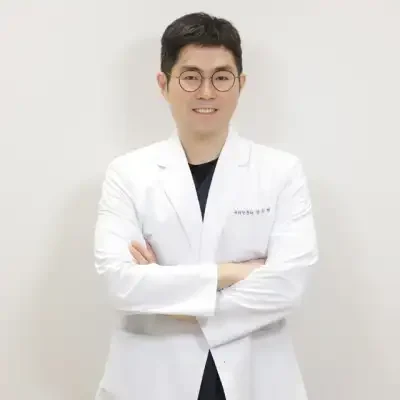
Dr. Seung-hyun Jeon
Eureka Internal Medicine & Health Checkup Centre
View profile ↗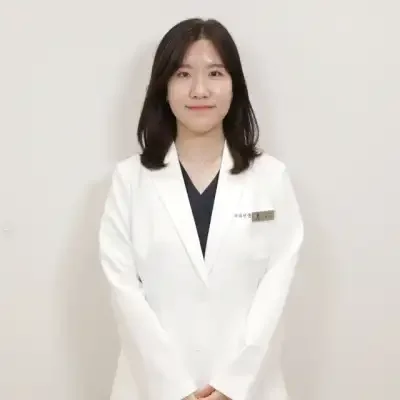
Dr. Ji-soo Min
Eureka Internal Medicine & Health Checkup Centre
View profile ↗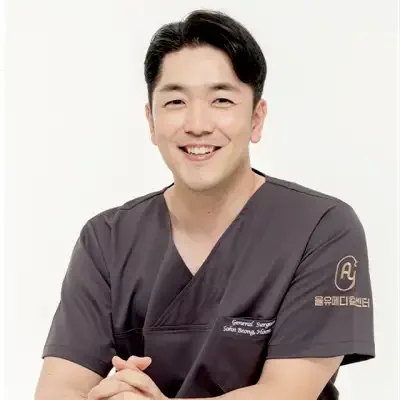
Sources & further reading
Explore the partner centers
Use the directory to review relevant services and medical teams, then confirm the details directly with the provider.
Find a center