At a glance
Ultrasound, CT and MRI answer different clinical questions. Ultrasound and MRI do not use ionising radiation; CT uses X-rays. Before adding a scan, ask what it can show, whether it is useful for your circumstances and what an uncertain finding would mean.
Different images answer different questions
Ultrasound, CT and MRI are not interchangeable versions of the same checkup. Ask which body area will be examined, what clinical question the scan is meant to answer, and who will interpret the images. A list of available machines says little about which investigation is appropriate for you.
Bring previous imaging reports and, if available, the original image files. Ask whether they can be reviewed before another scan is ordered. The date, body area and reason for earlier imaging help the clinician decide whether a comparison or repeat examination would add useful information.
Ultrasound has strengths and limits
Ultrasound uses sound waves and does not expose you to ionising radiation. It can show many soft tissues, but gas and bone limit what can be seen. The suitability of an examination depends on the organ and the question being investigated; it is not a scan that excludes every disease.
Preparation may differ between examinations. Ask whether you should eat or drink beforehand and whether bladder filling is required. Do not apply instructions from one type of ultrasound to another. If an internal examination is proposed, request a clear explanation of the procedure and consent process.
MRI needs a safety discussion
MRI also avoids ionising radiation, but uses a strong magnetic environment. Tell the team about implants, medical devices and any metal-related safety concern before the appointment. The exact device must be checked; do not assume all implants have the same MRI conditions.
Ask whether contrast or sedation is planned, how long you need to remain still, and what to do if enclosed spaces are difficult for you. These details can change preparation, transport and the price. A scan without radiation is not automatically necessary or free of other risks.
Evaluate an add-on before paying
CT uses X-rays and therefore involves ionising radiation. For CT or any other proposed scan, ask about the expected benefit, relevant risks and a reasonable alternative. Explain pregnancy possibility and previous reactions to contrast before agreeing to imaging. The treating team should determine whether a particular examination is suitable.
Request the written report and an accessible copy of the images where appropriate. Confirm whether interpretation and a follow-up consultation are included. If a finding is uncertain, ask what additional appointment could be needed and whether it can be arranged within your travel plans.
- What would a normal result change?
- What would an incidental or uncertain finding mean for me?
- Can my usual clinician access the report and image files?
Common questions
Does a scan without radiation have no risks?
No. MRI requires safety checks for implants and metal, and some scans involve contrast or sedation. Suitability depends on the exact examination and your history.
Should I add a whole-body CT scan for reassurance?
Discuss the reason with a clinician before paying. The FDA has not identified evidence that whole-body CT screening benefits people without symptoms more than it harms them. This differs from a targeted CT ordered for a clinical reason.
Partner centers to explore
These centers list related services. Confirm the exact examination and appointment with the center.
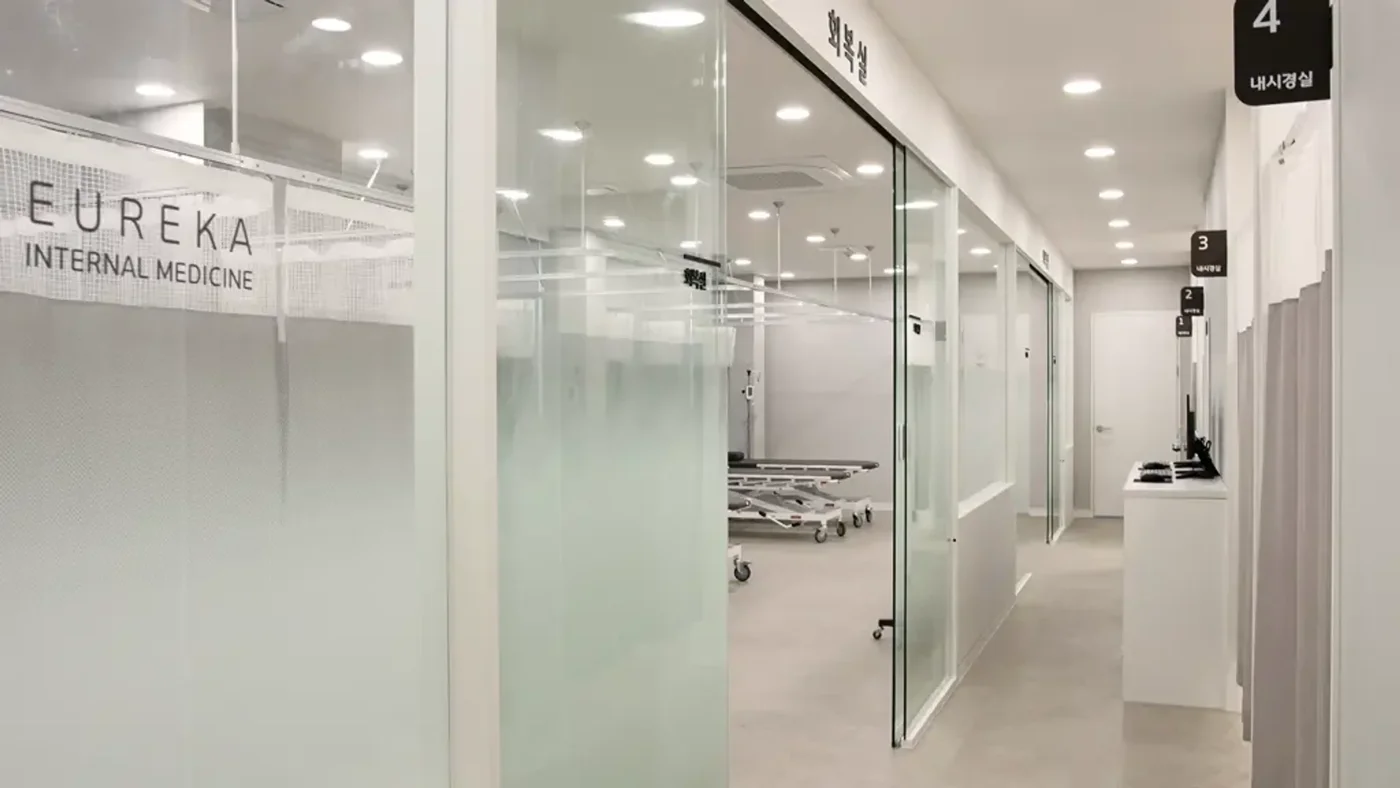 Suwon · Yeongtong
Eureka Internal Medicine & Health Checkup Centre
Internal medicine, endoscopy and imaging in Suwon, with four named internal medicine specialists.
 Seoul · Gwangjin
Always For You Medical Center
Individual and corporate health checkups alongside internal medicine, endoscopy and surgical services.
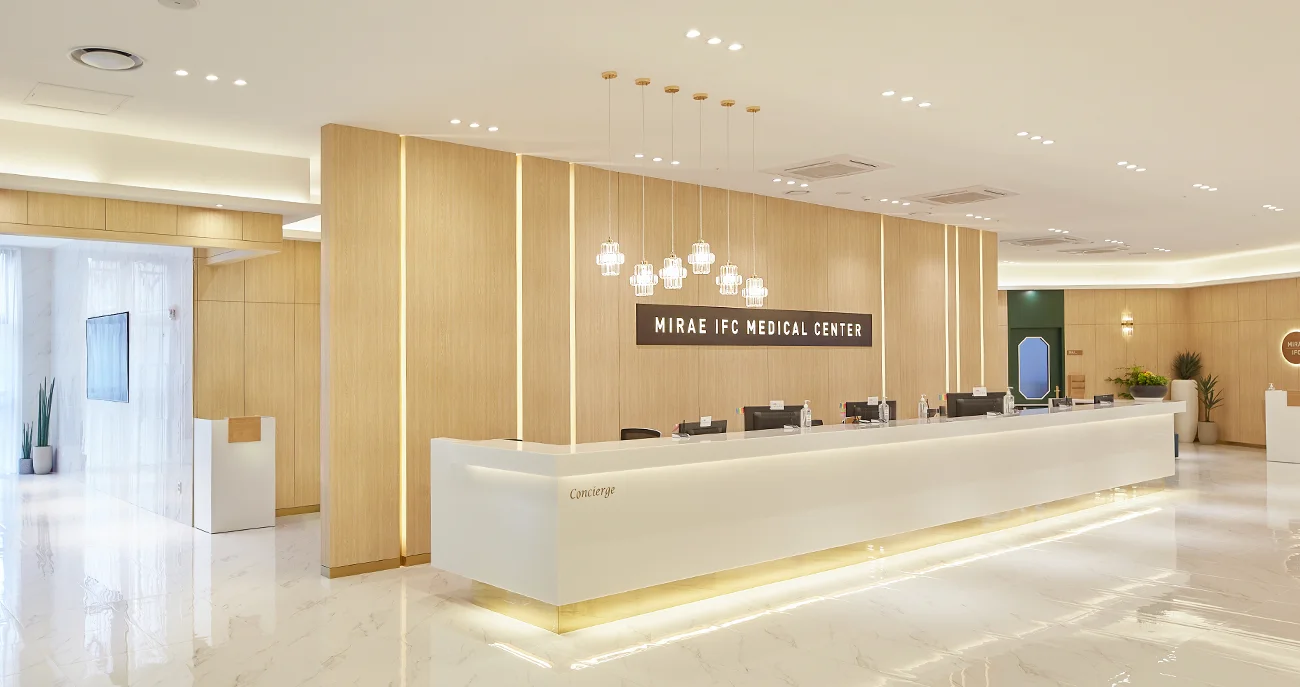 Busan · Nam-gu
Yonsei Mirae IFC Medical Center
A Busan screening center with general, detailed and life-stage programs and a multidisciplinary medical team.
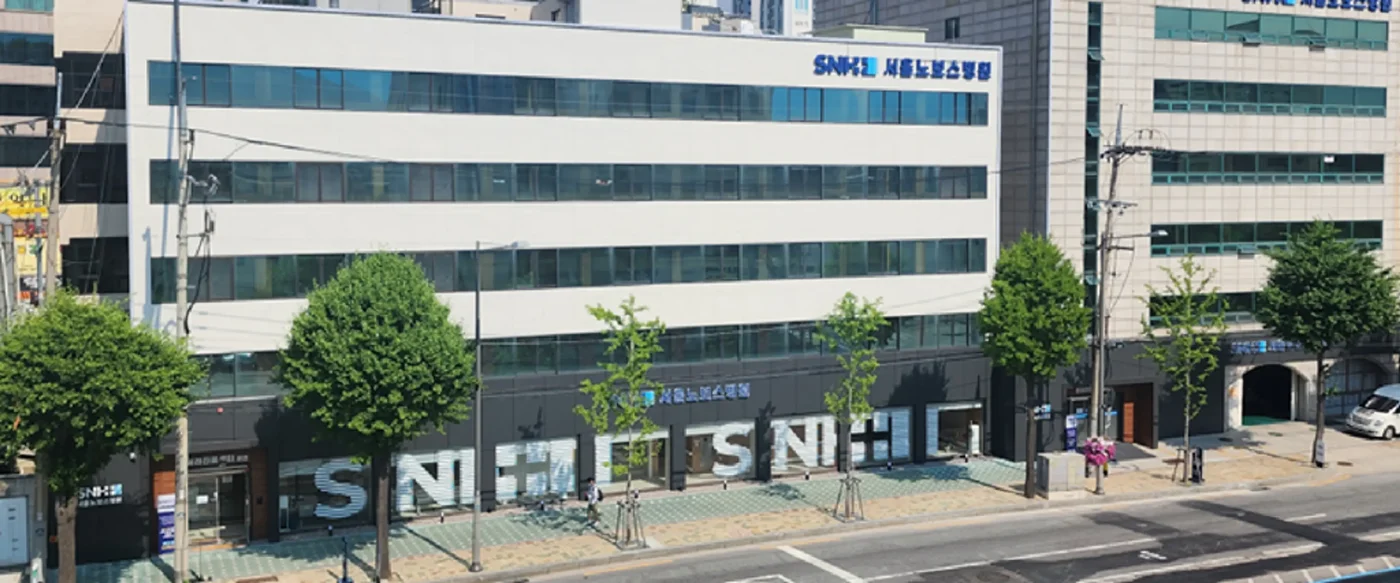 Seoul · Dobong
Seoul Novos Hospital
A rehabilitation hospital with a dedicated comprehensive screening service and internal medicine and radiology clinicians.
Explore the medical teams

Dr. Suk-hwan In
Eureka Internal Medicine & Health Checkup Centre
View profile ↗
Dr. Kyung-eun Lee
Eureka Internal Medicine & Health Checkup Centre
View profile ↗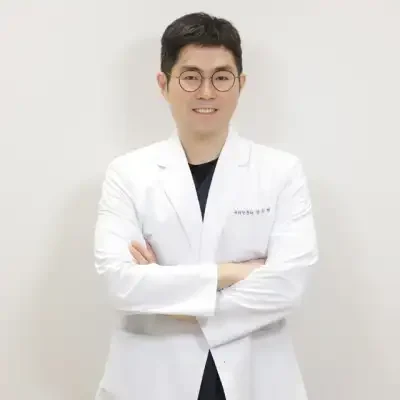
Dr. Seung-hyun Jeon
Eureka Internal Medicine & Health Checkup Centre
View profile ↗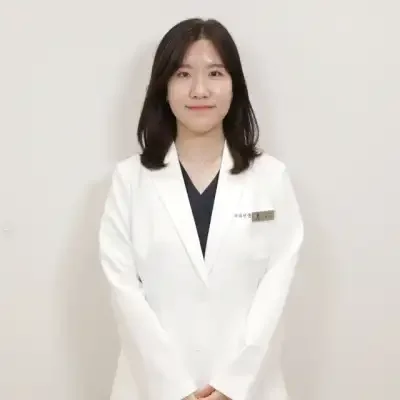
Dr. Ji-soo Min
Eureka Internal Medicine & Health Checkup Centre
View profile ↗Sources & further reading
Explore the partner centers
Use the directory to review relevant services and medical teams, then confirm the details directly with the provider.
Find a center